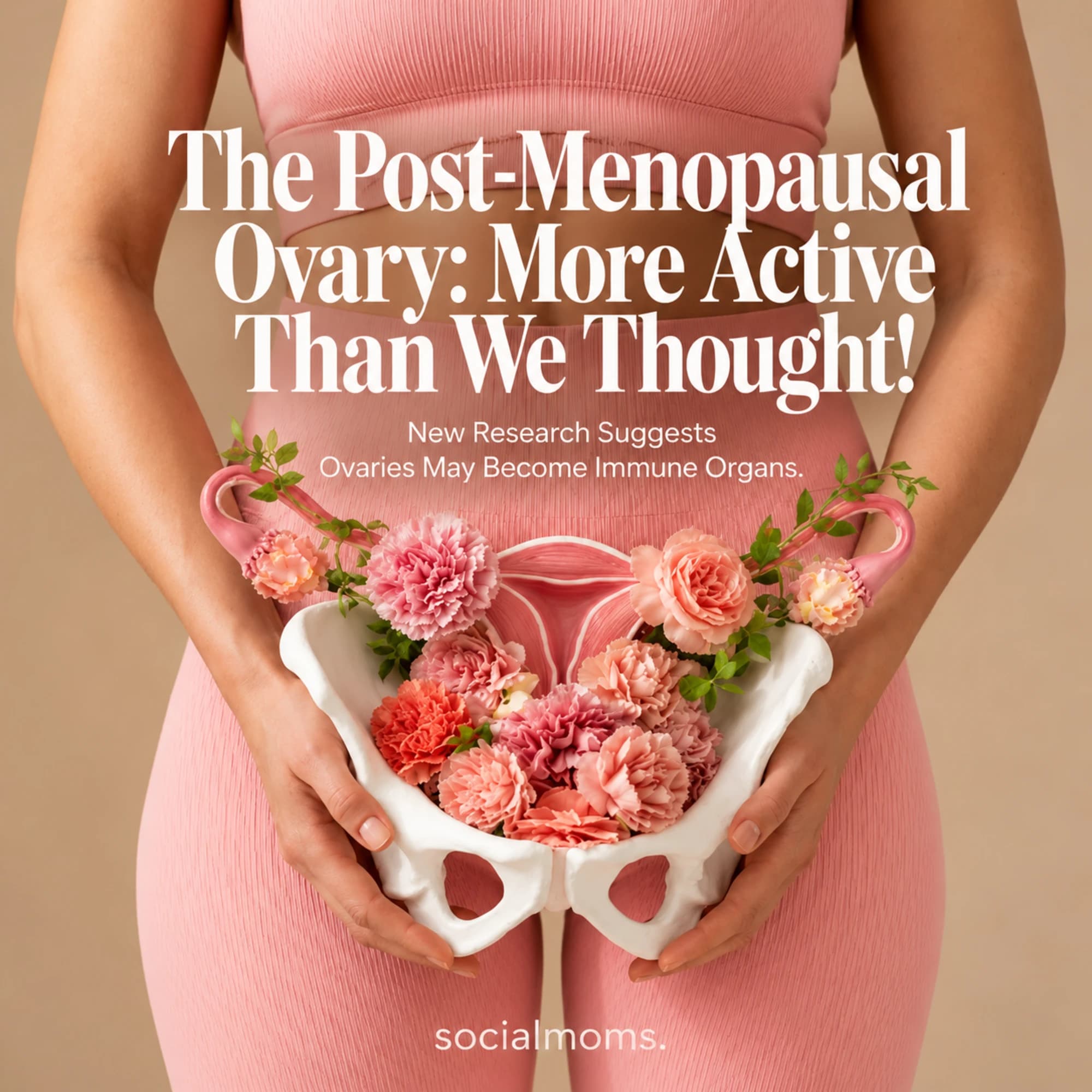
For decades, the ovaries have been viewed primarily through their reproductive function. Once menopause arrives, their role has often been described as coming to an end.
But emerging research is challenging that understanding.
A New Perspective on Menopause
A 2026 study published in Molecular Human Reproduction suggests that after the reproductive years, the ovaries may undergo a remarkable transformation.
Rather than becoming completely inactive, post-reproductive ovaries appear to experience changes in immune-cell populations and the expression of genes associated with inflammation and immune activity.
These findings raise an intriguing possibility: the ovaries may continue playing an important role in the body long after their reproductive function has ended.
What Could This Mean for Women's Health?
While this discovery opens exciting avenues for research, it also raises important questions.
Scientists are investigating whether these immune-related changes may contribute to the chronic, low-grade inflammation associated with aging.
Such inflammation has been linked to conditions including cardiovascular disease, osteoporosis, type 2 diabetes, and neurodegenerative diseases.
However, researchers have not established that changes in the ovaries directly cause these conditions.
Much of the current evidence comes from animal studies, meaning further research is needed to understand how these findings apply to women.
Rethinking the Conversation Around Menopause
For too long, conversations about menopause have focused on what women lose: fertility, hormones, and reproductive function.
But research like this reminds us how much remains to be discovered about women's bodies.
Menopause is a significant biological transition, and understanding what happens beyond the reproductive years could eventually help scientists develop better approaches to women's long-term health.
At SocialMoms, we believe women's health deserves attention, research, and conversations at every stage of life.
Because menopause isn't the end of the story.
And science is still discovering what comes next.
Research reference: Molecular Human Reproduction (2026), “The post-reproductive ovary may become an immune organ.” Published by Oxford University Press on behalf of the European Society of Human Reproduction and Embryology (ESHRE).