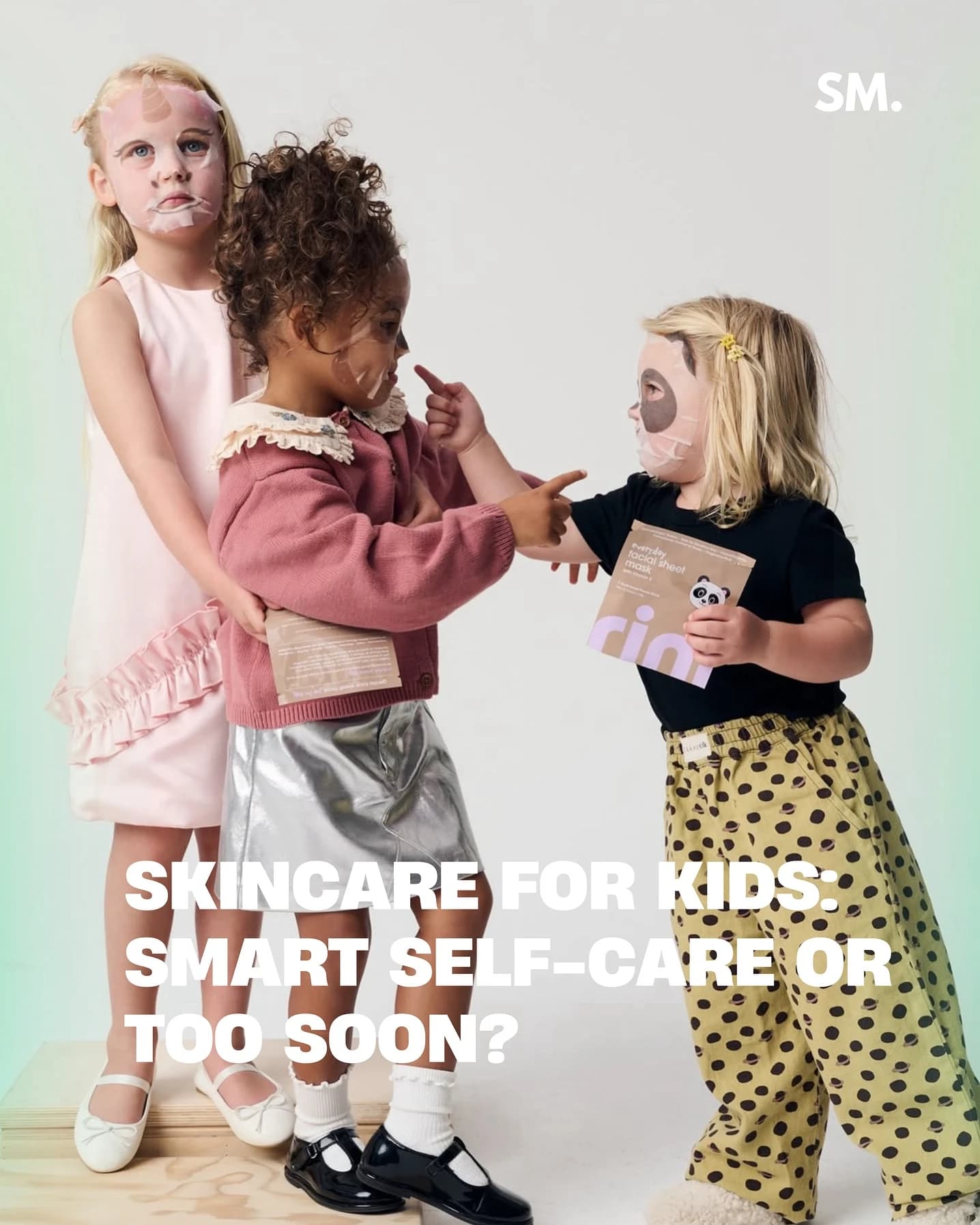
Skincare for Kids: Self-Care, Playtime or Too Much Too Soon?
When beauty culture meets childhood, where should we draw the line?
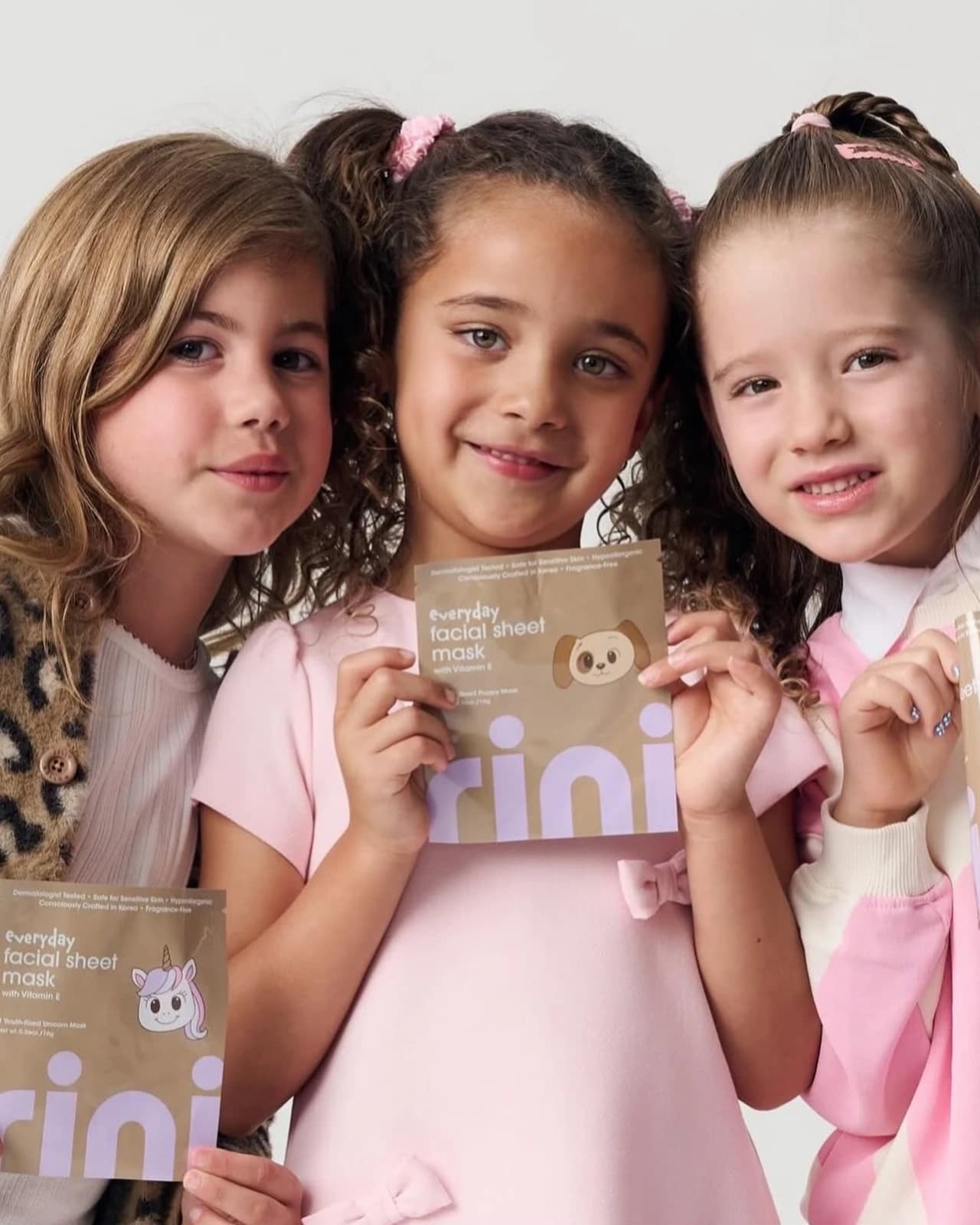
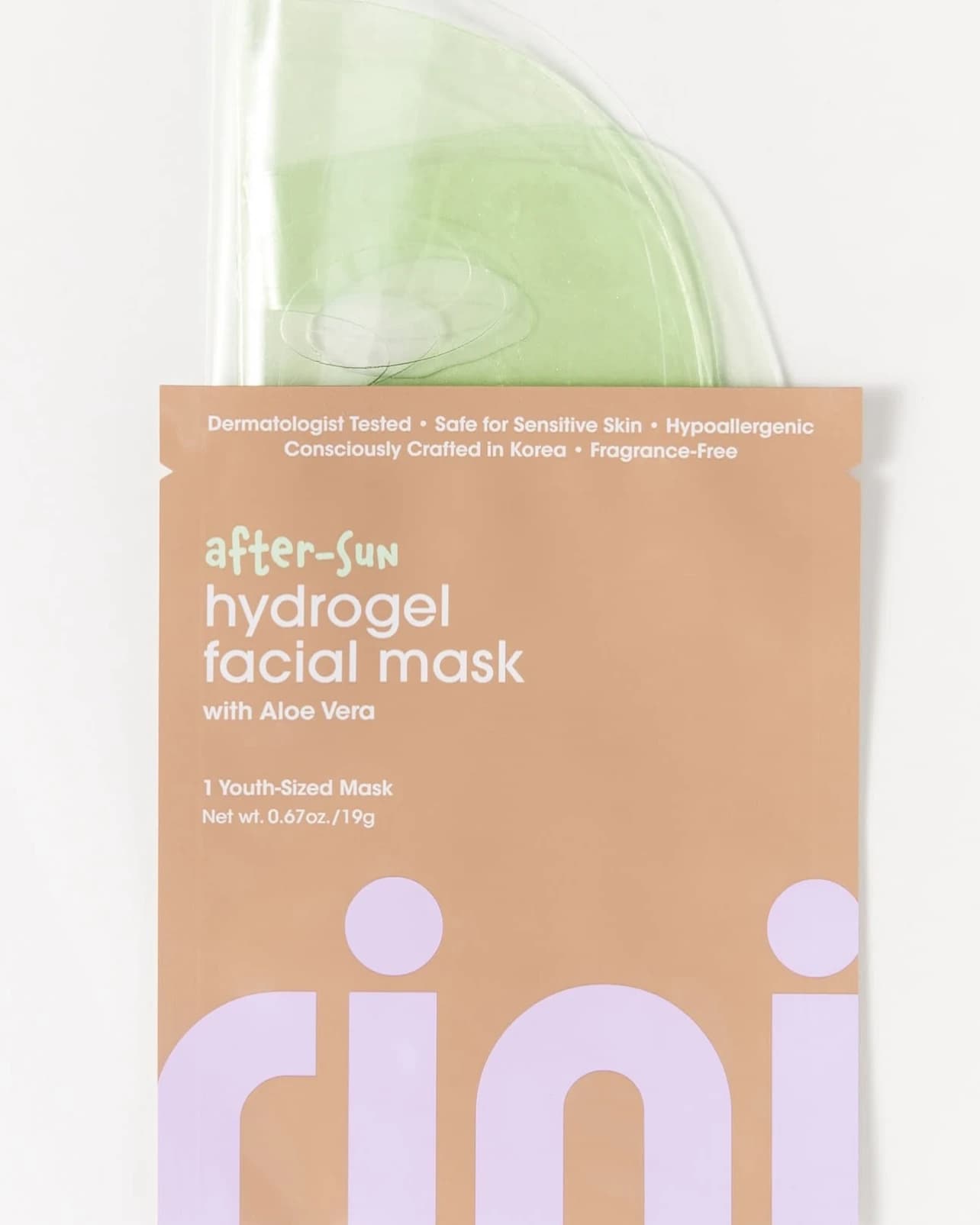
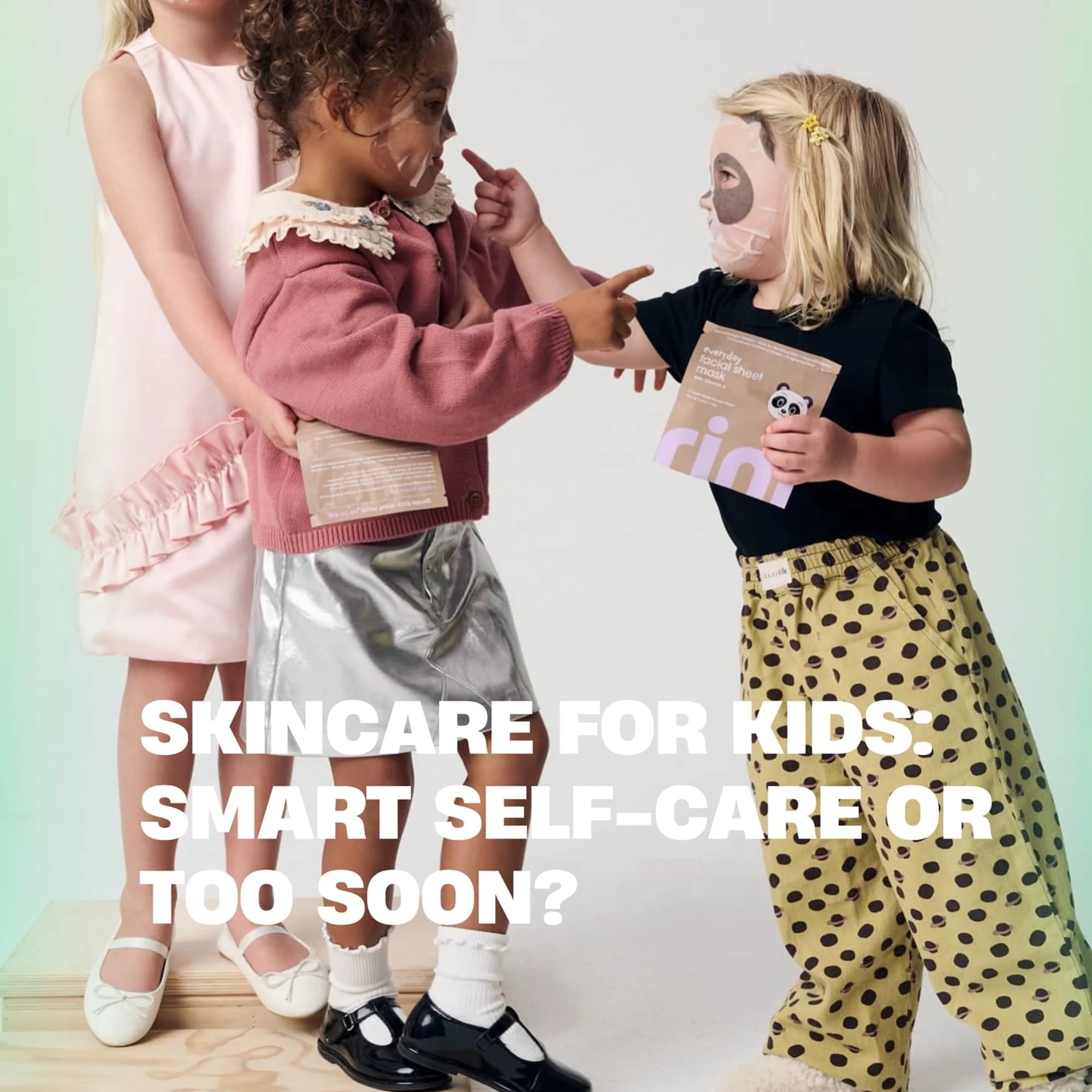
Actress and entrepreneur Shay Mitchell has everyone talking with the launch of her new children's skincare brand, Rini. But the conversation surrounding the brand goes beyond face masks and skincare products. It raises a much bigger question about how we introduce self-care, beauty and personal care to the next generation.
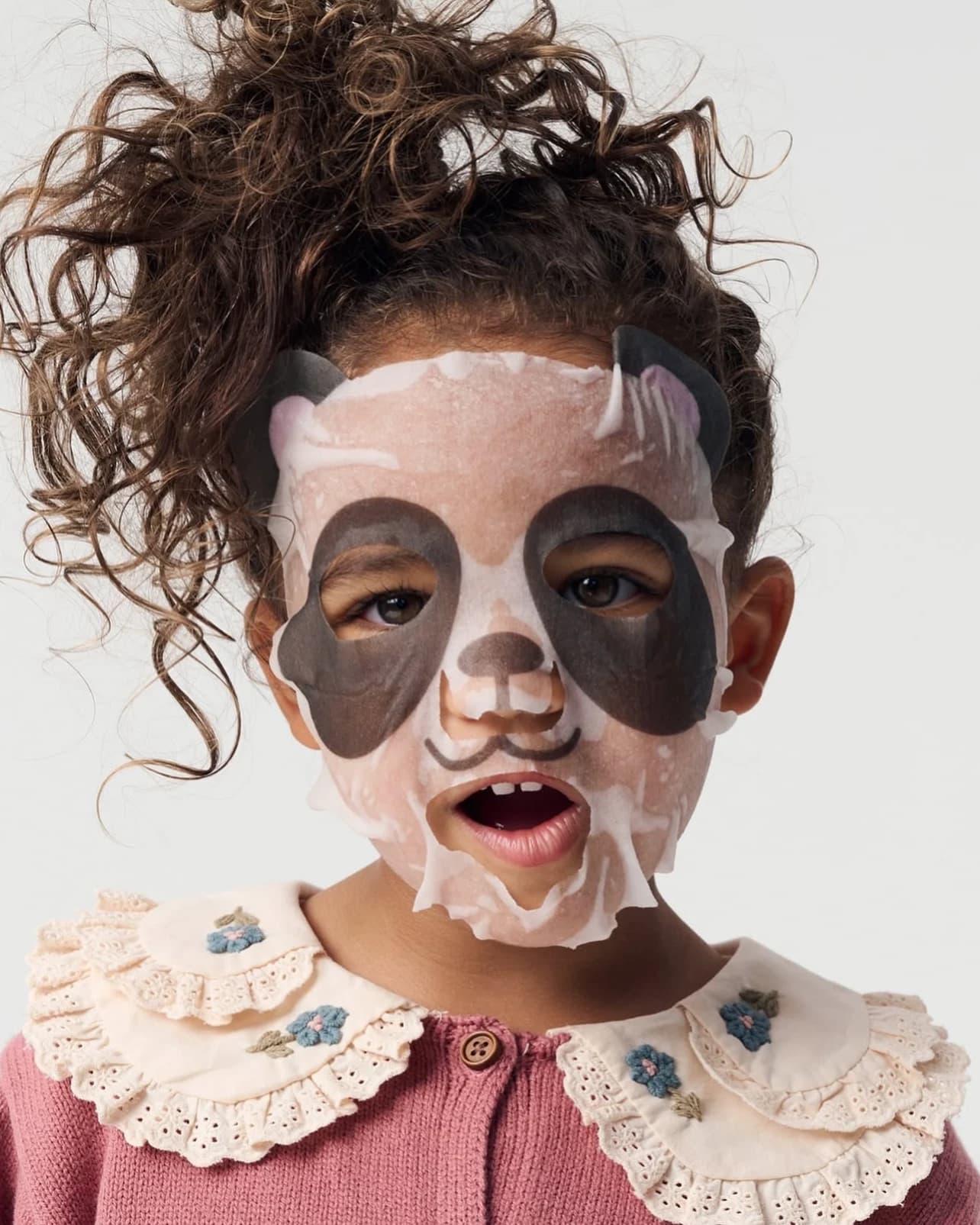
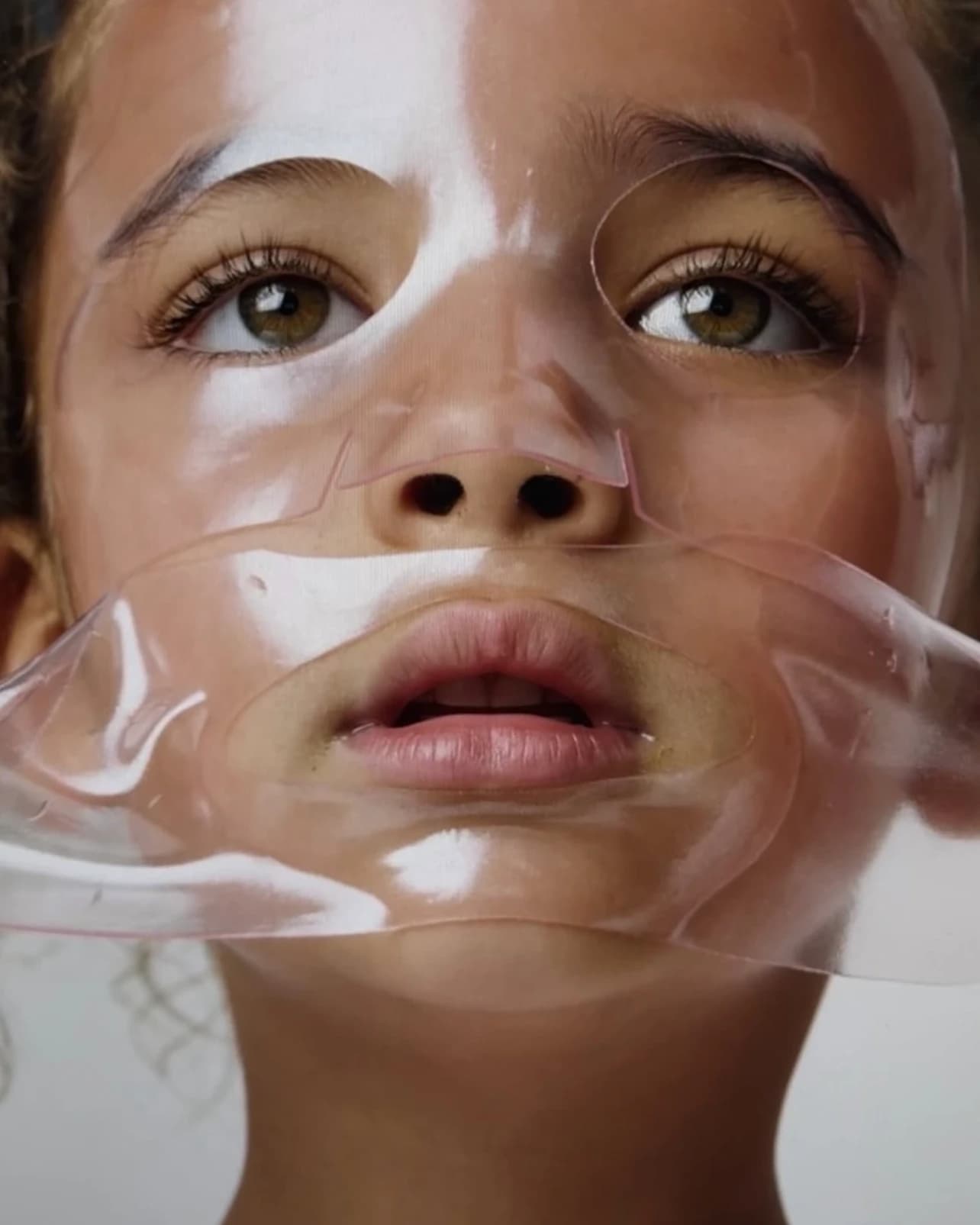
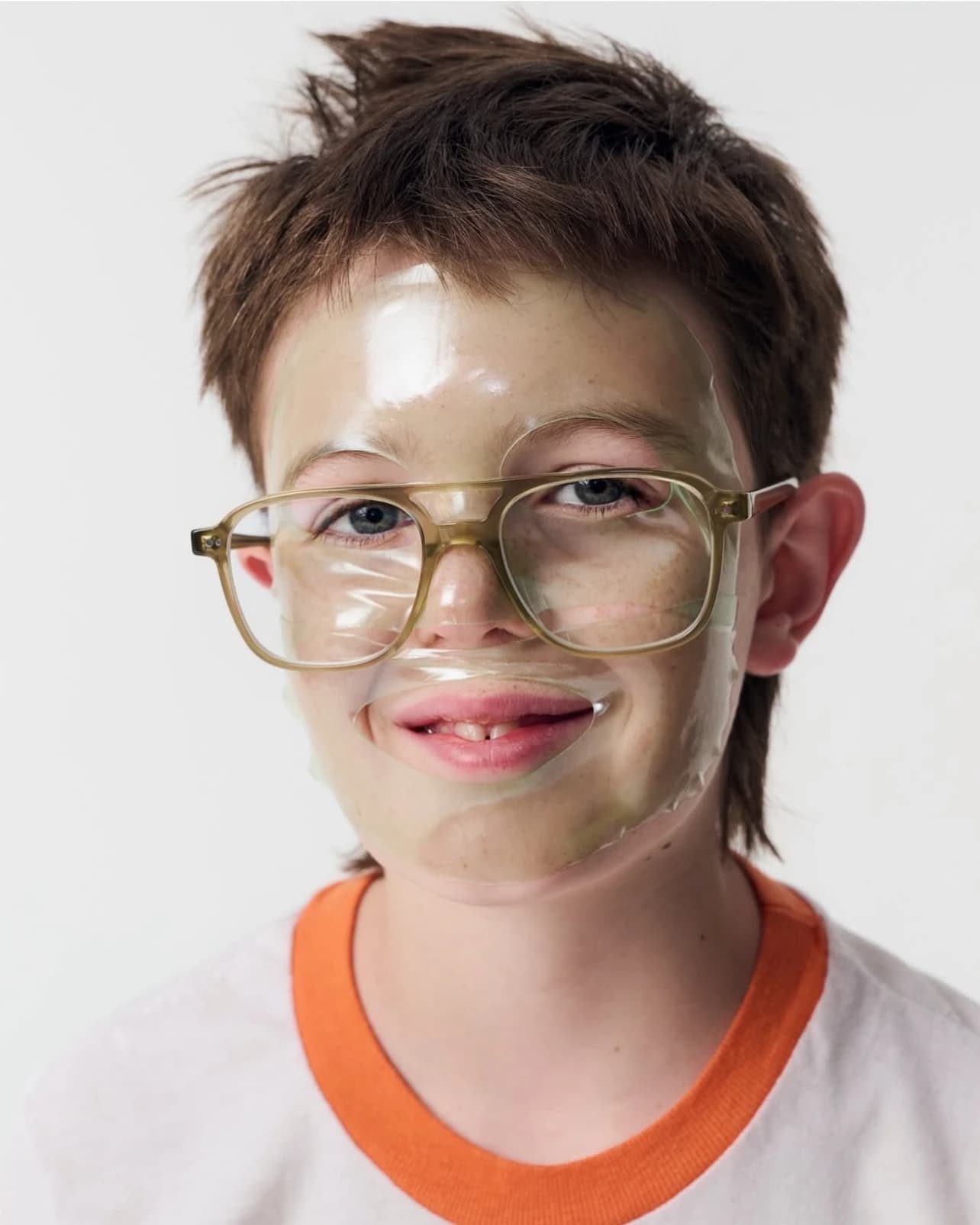
Marketed as “skincare meets playtime,” Rini offers gentle, dermatologist-tested products designed specifically for children. The concept is to make skincare a fun and creative experience, turning simple moments of self-care into opportunities for parents and children to connect.
But while the idea sounds playful, its launch has opened up an interesting debate among parents.
Growing up in the age of beauty culture
Today's children are growing up in a very different digital environment. From TikTok's GRWM (Get Ready With Me) videos to beauty influencers and elaborate skincare routines, Gen Alpha is exposed to beauty culture at an increasingly young age.
Children naturally observe and imitate the habits of the adults around them. And as skincare becomes more visible across social media, the line between basic personal care and beauty routines can become less clear.
This raises an important question: are we teaching children to look after themselves, or introducing them to beauty expectations before they are old enough to understand them?
Two sides of the conversation
For some parents, introducing skincare products at a young age feels unnecessary. Children's skin generally doesn't require elaborate routines, and basic hygiene alongside appropriate sun protection is usually enough. There are also concerns that normalising face masks, multiple products and beauty rituals could introduce appearance-related pressures too early.
Others see it differently.
Supporters argue that if children are already curious about skincare, offering age-appropriate products can be a safer alternative to letting them experiment with adult beauty products. They also see the potential for these moments to become playful bonding experiences between parents and children, helping introduce simple habits around personal care.
Perhaps the distinction lies in how skincare is presented: as a way to care for our bodies rather than something we need to do to improve how we look.
Where do we draw the line?
There is nothing wrong with teaching children about self-care, hygiene and looking after their skin. But childhood is also a time when children should be free to explore, play and develop their identities without feeling that their appearance needs constant attention.
As parents, the challenge is finding a balance between encouraging healthy habits and protecting children from expectations they don't yet need to carry.
Rini's launch has brought this conversation into the spotlight, and it is one worth having.
So, what do you think? Is skincare for kids a playful introduction to self-care, or are we bringing beauty culture into childhood a little too soon?